

Back pain affects millions of people worldwide, limiting mobility, reducing quality of life, and impacting emotional well-being. Chronic or acute discomfort can stem from injuries, prolonged sedentary behavior, poor posture, or degenerative conditions, making even simple daily activities challenging. Addressing back pain requires a comprehensive approach that combines professional interventions, lifestyle adjustments, and proactive self-care strategies. Fortunately, there are numerous evidence-based methods to alleviate discomfort, improve spinal health, and enhance overall movement.
This guide provides actionable strategies designed to help you regain control over your back health. Each section offers practical tips, exercises, and therapies that can be incorporated immediately. Whether your goal is to strengthen muscles, improve posture, explore professional care, or adopt long-term habits, the strategies outlined here will empower you to move comfortably and confidently. By following these approaches consistently, you can reduce pain, prevent future flare-ups, and enhance your overall quality of life.

Optimize Your Sitting and Sleeping Habits
Many people underestimate the impact of posture and sleep habits on spinal health. Sitting for extended periods with slouched shoulders, a rounded back, or unsupported lower spine can place unnecessary stress on vertebrae, discs, and ligaments. Over time, this strain may lead to chronic discomfort, stiffness, and even nerve compression. Similarly, sleeping on a mattress that fails to maintain the spine’s natural curvature can exacerbate existing conditions and hinder recovery from minor injuries. By prioritizing ergonomics and spinal alignment, you create a foundation for long-term comfort.
To improve sitting posture, use a chair with adjustable lumbar support that conforms to the natural curve of your lower back. Keep feet flat on the floor and knees at a 90-degree angle, avoiding crossing your legs for prolonged periods. If your work requires sitting for long hours, set reminders to stand, stretch, or walk for a few minutes every 30–60 minutes. For sleep, consider a medium-firm mattress that provides sufficient support without creating pressure points, and use pillows to maintain proper neck alignment. Side sleepers can benefit from placing a pillow between the knees, while back sleepers may place one under the knees to relieve lumbar tension.
Small, consistent adjustments to posture and sleep habits yield significant results over time. Gentle stretches targeting the chest, shoulders, and hip flexors help counteract the effects of prolonged sitting, while strengthening exercises can maintain lumbar support. Ergonomic interventions not only reduce pain but also prevent future flare-ups and improve overall spinal function. By cultivating awareness of posture throughout the day and night, you establish habits that protect your spine and promote long-term mobility.
Strengthen Core Muscles for Lasting Stability
The core muscles—including the abdominals, obliques, glutes, and lower back muscles—serve as the central stabilizers for the spine. Weak core muscles force the back to compensate, increasing the risk of injury and chronic pain. By strengthening these muscles, you can enhance posture, improve balance, and reduce unnecessary strain on the spine. A strong core also allows for safer performance of daily activities, such as lifting, bending, and twisting.
Effective exercises include planks and side planks, which engage deep stabilizing muscles, bird-dog movements that promote coordination, and bridges or hip raises that strengthen glutes and lower back. Pilates and yoga are excellent complementary practices, emphasizing controlled movements, flexibility, and mindful engagement of core muscles. Consistency is essential—performing core exercises at least three times per week ensures gradual improvement and long-term spinal support.
Working with a personal trainer can help tailor exercises to your individual needs, ensuring proper technique and progression to prevent injury. Over time, improved core strength reduces the likelihood of flare-ups and empowers you to move confidently in daily life. Additionally, a stable core can enhance athletic performance, support weight management, and improve overall functional mobility, making it a critical component of back pain prevention and management.
Integrate Low-Impact Cardio for Spinal Health
Low-impact cardiovascular exercise supports both physical and spinal health by promoting blood flow, nutrient delivery, and tissue healing. Activities such as swimming, cycling, and walking reduce pressure on joints and the spine while increasing endurance. Improved circulation helps alleviate stiffness, reduce inflammation, and prevent deconditioning of the muscles supporting the back. Additionally, cardiovascular exercise aids weight management, which reduces the mechanical load on the spine and promotes long-term spinal health.
Swimming is especially effective because water supports body weight while allowing a full range of motion without strain. Cycling, particularly on a recumbent bike, engages lower body muscles while minimizing impact on the spine. Walking is accessible and low-risk; maintaining an upright posture and engaging your core during walks enhances benefits. Start with 10–15 minutes per session, gradually increasing duration and intensity as your endurance improves. Proper footwear and ergonomic equipment can further prevent strain.
Beyond physical benefits, cardio helps manage stress, improves sleep quality, and reduces systemic inflammation, all of which are linked to pain perception. Regular low-impact cardiovascular activity builds resilience, supports other exercise routines, and contributes to overall wellness. By combining cardio with flexibility and strength training, you create a well-rounded routine that supports spinal function and long-term mobility.

Explore Non-Invasive Therapeutic Options
When lifestyle changes alone are insufficient, non-invasive therapies provide targeted relief. Chiropractic care, spinal decompression, and physical therapy focus on realigning the spine, relieving pressure on nerves, and restoring mobility. These approaches are often individualized, addressing the underlying causes of discomfort rather than merely masking symptoms.
Visiting a back pain chiropractor can offer a personalized assessment and treatment plan. Spinal decompression therapy gently stretches the spine to alleviate pressure on discs, reduce nerve compression, and promote healing. Chiropractic care can also be combined with corrective exercises, massage therapy, and ergonomic guidance to provide comprehensive relief. Patients often experience improved flexibility, reduced pain intensity, and enhanced ability to perform daily activities.
Non-invasive therapies are particularly valuable for individuals who wish to avoid surgery or medication dependency. By integrating professional care with home exercises and lifestyle adjustments, patients can achieve long-term improvements in spinal health. Regular visits allow for ongoing monitoring, adjustments to treatment plans, and proactive management of pain triggers.
Incorporate Therapeutic Modalities at Home
Complementing professional care with home-based therapies enhances recovery and maintains mobility. Heat and cold therapy reduce inflammation, relieve tension, and improve circulation, while foam rolling and stretching bands help release tight muscles and maintain flexibility. These interventions allow patients to manage discomfort between professional appointments effectively.
Sauna use is increasingly recognized as a beneficial adjunct for back health. Heat exposure relaxes muscles, increases blood flow, and may accelerate recovery after exercise or chiropractic sessions. Even short, regular sauna sessions can alleviate stiffness and enhance overall comfort. Pairing these methods with mindful practices such as deep breathing or gentle stretching supports both physical and emotional well-being.
Consistency is critical. Integrating at-home therapeutic routines into your daily schedule ensures ongoing relief, reduces the risk of recurring pain, and supports overall spinal health. By taking an active role in self-care, patients can complement professional interventions, enhance treatment outcomes, and foster confidence in their ability to manage back pain independently.
Leverage Regenerative and Advanced Treatments
For chronic or severe back pain, regenerative therapies like PRP therapy can provide substantial benefits. Platelet-rich plasma injections utilize a patient’s own blood to stimulate tissue repair, reduce inflammation, and promote healing in damaged ligaments, tendons, and muscles. When combined with chiropractic treatment, PRP therapy can accelerate recovery and enhance spinal stability.
Benefits of regenerative therapies include faster healing, reduced dependency on long-term medications, and strengthened soft tissue around the spine. Patients with disc degeneration, recurring injuries, or chronic inflammation may experience significant improvements in flexibility and pain management. Working with providers who offer comprehensive chiropractic service ensures a holistic treatment plan that addresses both the symptoms and underlying causes of back pain.
It is important to consult qualified specialists when considering regenerative options. Proper evaluation, treatment planning, and follow-up care maximize the effectiveness of PRP therapy while minimizing risks. Integrating regenerative treatments with physical therapy, core strengthening, and lifestyle adjustments provides a complete, sustainable approach to managing chronic back pain.
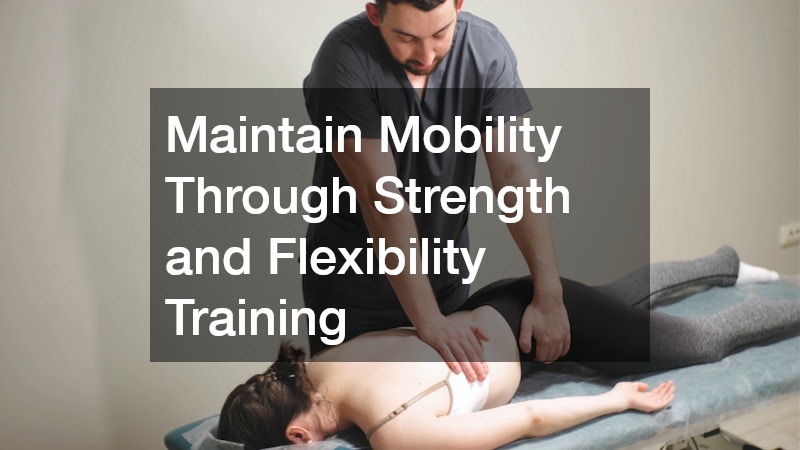
Maintain Mobility Through Strength and Flexibility Training
Maintaining both strength and flexibility is essential for long-term back health. Weak muscles or tight ligaments contribute to poor posture, increased spinal stress, and chronic discomfort. A balanced program targeting major muscle groups, particularly the glutes, hamstrings, and lower back, promotes stability and reduces the likelihood of injury.
Resistance training exercises, such as squats, lunges, and controlled deadlifts, strengthen supporting muscles, while dynamic stretches improve range of motion and flexibility. Balance and coordination exercises further enhance stability, reducing the risk of falls and compensatory injuries. Working with a personal trainer ensures safe, progressive training tailored to your specific needs, limitations, and goals.
Combining strength and flexibility training with low-impact cardio and core exercises creates a well-rounded approach to spinal health. Consistency in these routines allows the body to adapt, supporting functional mobility and confidence in daily activities. Over time, maintaining a strong and flexible musculoskeletal system reduces back pain flare-ups and enhances overall quality of life.
Optimize Nutrition and Lifestyle Factors
Lifestyle choices and nutrition play a pivotal role in back pain management. Anti-inflammatory foods, adequate hydration, and maintaining a healthy weight reduce spinal stress and support tissue repair. Chronic inflammation can exacerbate pain, whereas nutrient-dense diets rich in protein, healthy fats, and antioxidants aid recovery.
Lifestyle modifications include limiting processed foods, sugars, and inflammatory ingredients. Stress management through mindfulness, meditation, or gentle breathing exercises helps reduce muscle tension that can intensify back pain. Adequate sleep, weight management, and regular movement further contribute to spinal health. By addressing these factors, you can complement exercise, therapy, and professional interventions for a comprehensive approach to back pain.
Optimizing lifestyle habits not only improves physical health but also boosts energy levels, mood, and resilience. Integrating nutrition, exercise, and stress management creates a sustainable, long-term plan that supports spinal function and overall well-being.
Coordinate Care With Professionals and Support Systems
Managing back pain often requires a multi-disciplinary approach. Collaboration between medical providers, chiropractors, physical therapists, and caregivers ensures comprehensive care tailored to individual needs. Caregivers can assist with daily activities, exercise adherence, and transportation to appointments, particularly for older adults or those with complex conditions.
Additional considerations include verifying coverage for services such as chiropractic service or PRP therapy under Medicare insurance. Regular check-ins with professionals allow for adjustments in treatment plans, ensuring continued progress. Open communication among providers creates a coordinated strategy, preventing gaps in care and maximizing effectiveness.
Leveraging professional and personal support empowers patients to pursue interventions confidently and maintain consistency. This team-based approach provides reassurance, promotes adherence to therapies, and fosters long-term success in managing back pain effectively.

Develop Sustainable Habits for Long-Term Relief
Long-term back health depends on forming consistent, sustainable habits rather than relying on temporary fixes. Integrating core exercises, strength training, flexibility routines, ergonomic awareness, and lifestyle adjustments creates resilience against pain. Small, daily actions—such as stretching, adjusting posture, and practicing mindfulness—accumulate over time, producing meaningful improvements.
Tracking pain patterns, exercise routines, and triggers through journaling helps identify effective strategies and refine interventions. Periodic reassessment of care plans ensures that exercises, therapies, and lifestyle habits remain effective and safe. By approaching health proactively, patients can enjoy greater confidence, mobility, and independence in their daily lives.
Establishing these habits fosters long-term relief, reducing flare-ups and preventing injury. Over time, these consistent actions retrain your body to move more efficiently, strengthen supporting muscles, and build resilience against future pain. A consistent routine, combined with professional guidance and self-awareness, creates a sustainable framework for managing back pain while maintaining an active, fulfilling lifestyle.
Back pain does not have to control your life. By combining posture optimization, core strengthening, low-impact cardio, regenerative therapies, professional care, and sustainable lifestyle habits, you can reduce discomfort, improve mobility, and enhance quality of life. Adopting a proactive, holistic approach ensures that both immediate relief and long-term spinal health are addressed.
Consistency, awareness, and integration of these strategies empower individuals to move comfortably, confidently, and without fear of pain. By making back care a priority, it is possible to maintain functional independence, participate fully in daily activities, and enjoy a strong, healthy spine for years to come.
