
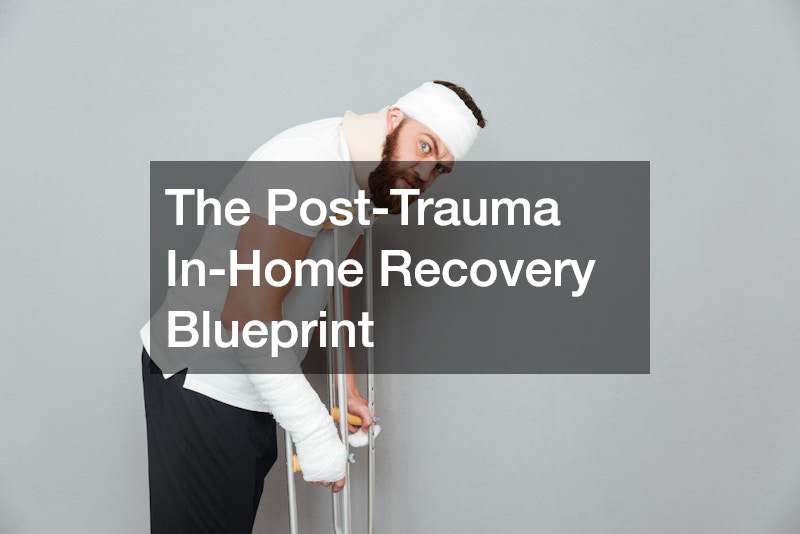
Surviving a major physical trauma begins a long, challenging journey that extends far past the emergency room doors. When recovering patients transition from acute hospital stays back to their own home bedrooms, the immediate objective shifts from emergency life-saving measures to long-term stabilization. The first 48 hours at home require clear protocols to prevent complications, manage intense pain, and set up a manageable daily schedule. Patients and family caregivers often feel overwhelmed by the sudden loss of hospital staff and equipment.
Before leaving the hospital, patients should obtain detailed medical records, prescription lists, and explicit instructions regarding wound treatment or mobility restrictions. If minor non-life-threatening complications surface during those initial days, visiting a local urgent care facility can provide fast medical attention without forcing an exhausting trip back to a chaotic hospital emergency department. These facilities can handle simple suture adjustments, basic diagnostic imaging, and minor prescription refills efficiently.
Simultaneously, family members must establish early communication lines with the patient’s insurance agency to review policy limits and clarify what home medical equipment receives coverage. Navigating claim approvals early prevents unexpected medical bills from building up during recovery. Keeping well-organized physical folders filled with medical notes, itemized receipts, and insurance claim numbers ensures smooth communication between caregivers and coverage providers during this critical transition period.
Establishing Daily Medical Support at Home
Once home, managing daily personal care and medical routines requires a structured support network. Many individuals returning home after severe injuries cannot perform simple daily tasks independently, such as bathing, dressing, or changing dressings. Contracting reliable local home care services fills this crucial gap by bringing trained nursing aides and home health care specialists directly into the residential living space. These professionals monitor vital signs, administer prescribed medications on time, and assist with hygiene, which reduces the emotional and physical burden on family members who are serving as primary caregivers.
Beyond personal care, restoring physical strength and functional independence requires specialized rehabilitation routines. Licensed physical therapists play an essential role during this phase by coming into the home to evaluate living spaces and guide custom exercise regimens. They assess safety hazards like loose rugs or narrow doorways, teaching patients how to navigate their actual living space using crutches, walkers, or wheelchairs.
Consistent home therapy sessions help prevent muscle atrophy, improve joint circulation, and lower the risk of blood clots caused by prolonged bed rest. Therapists also instruct family members on proper transferring techniques, ensuring caregivers do not injure themselves when helping the patient move from bed to chair. This coordinated approach balances professional medical supervision with hands-on movement training, giving patients confidence as they slowly regain mobility.
Neuromusculoskeletal Alignment and Hydration Strategy
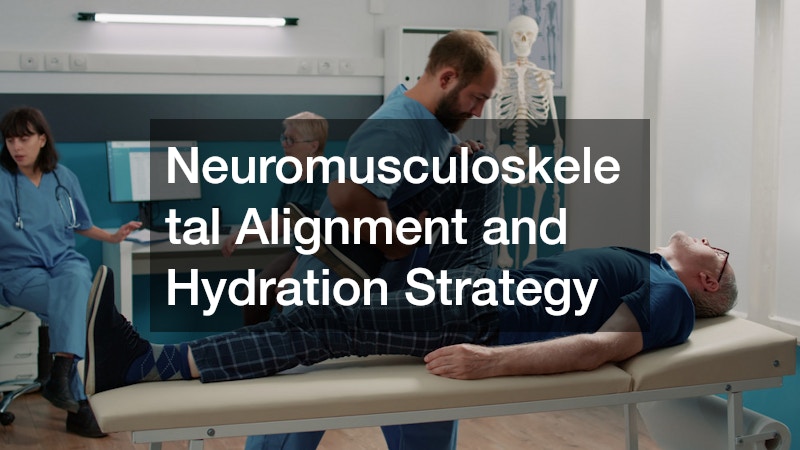
Trauma from motor vehicle collisions, falls, or industrial accidents rarely affects only soft tissues or isolated bones. Impact forces reverberate across the entire skeletal framework, often creating spinal misalignments, joint subluxations, and nerve compression. Incorporating a qualified chiropractor into the post-trauma treatment plan helps address these underlying structural issues once acute bone fractures have stabilized. Gentle spinal adjustments, therapeutic soft tissue mobilization, and non-invasive spinal decompression techniques can relieve painful nerve irritation, decrease tension headaches, and restore proper spinal biomechanics. Improving alignment early in the recovery process prevents compensating movement patterns that often cause secondary pain in the hips, lower back, or neck.
Alongside structural alignment, metabolic recovery requires proper hydration and cellular nutrition. Severe physical trauma causes localized inflammation, tissue damage, and system-wide stress that exhausts natural nutrient stores. Specialized IV therapies deliver essential vitamins, minerals, electrolytes, and antioxidants directly into the bloodstream, bypassing compromised digestive systems.
These intravenous treatments promote tissue repair, accelerate cellular hydration, and support immune function during critical healing stages. When coordinated alongside routine dietary management, targeted nutritional infusions can reduce persistent fatigue, lessen system-wide inflammation, and improve overall energy levels. This dual approach of structural alignment and cellular nutrition provides the body with both the physical foundation and biological resources necessary for steady healing.
Specialized Repair for Facial and Optical Trauma
Traumatic injuries often inflict significant harm on facial structures, affecting functional systems that people rely on every single day. Blunt force impacts can break teeth, fracture jaws, or damage dental restorations, making daily activities like chewing, swallowing, and speaking painful or frustratingly difficult. Partnering with an experienced restorative dentist is critical for rebuilding damaged teeth, placing protective crowns, or fitting dental implants. Reestablishing proper bite alignment not only restores basic oral function but also prevents chronic joint pain and facial muscle strain. Dental professionals design customized rehabilitation plans that unfold in stages, ensuring sensitive oral tissues heal fully between necessary procedures.
In direct tandem with comprehensive dental restoration, evaluating head trauma requires focused, specialized sensory care. Head impacts, airbag deployments, and flying debris frequently compromise optical health, leading to double vision, severe light sensitivity, or structural trauma around the orbit. Scheduling comprehensive evaluations with professional eye care specialists ensures that subtle injuries to the retina, cornea, or optic nerve are detected early.
Ocular rehabilitation might include temporary prism lenses, specialized therapeutic eye drops, or visual retraining exercises designed to rebuild brain-eye coordination following concussions. Protecting vision throughout home recovery is essential for maintaining body balance, preventing accidental falls, and supporting cognitive recovery as patients work to regain their daily independence.
Surgical Reconstruction and Legal Representation

Severe physical lacerations, deep burn injuries, and complex facial bone fractures often leave lasting physical scars that require advanced reconstructive surgical techniques. Beyond immediate hospital emergency room suturing, long-term scar revision and soft tissue repair fall under the skilled care of plastic surgery specialists. These medical experts use specialized surgical techniques to minimize visible scarring, restore natural body contouring, and repair damaged nerve paths within skin layers. Reconstructive procedures help rebuild damaged facial features or body tissue, supporting both physical functionality and emotional well-being. Early surgical consultations allow specialists to plan multi-stage interventions that align perfectly with natural wound healing timelines.
While medical specialists address physical damage, managing the financial and legal fallout of an unexpected accident requires experienced advocacy. Recovering at home while medical bills accumulate creates tremendous stress for victims and their families. Retaining knowledgeable injury lawyers helps protect the patient’s legal rights, manage aggressive communications with insurance adjusters, and gather critical accident evidence.
Legal teams calculate current hospital expenses, future physical therapy costs, lost income, and long-term suffering to secure fair monetary compensation. Having dedicated legal representation allows recovering individuals to focus entirely on their physical and emotional healing journey without constantly worrying about predatory settlement offers or overwhelming court filing deadlines.
Securing Long-Term Coverage and Policy Navigation
Sustained recovery often requires months of specialized outpatient medical care, durable medical equipment rentals, and ongoing prescription medications. Managing these complex long-term medical resources involves continuous, frequent interaction with your primary insurance agency to verify pre-authorizations, coverage thresholds, and updated in-network provider lists. Policy terms can be complex, and unexpected claim denials can halt necessary home therapy or medical equipment deliveries. Assigning a family member or trusted advocate to handle claims, track claim reference numbers, and appeal wrongful coverage denials ensures continuous medical care. Maintaining meticulous documentation of every phone conversation with representatives prevents costly administrative delays.
During ongoing recovery, unexpected minor health setbacks like low-grade surgical site infections, medication reactions, or minor sprains can occur outside regular clinic hours. Instead of making stressful, highly expensive visits to overcrowded emergency rooms, utilizing a nearby urgent care clinic provides a practical, timely solution for minor medical evaluations and routine checks.
These facilities can quickly run basic blood tests, change wound dressings, clean surgical incision lines, and adjust prescription formulas under direct physician supervision. Rapid access to outpatient medical care keeps minor recovery setbacks from escalating into severe health complications that could require hospital readmission, ensuring a safer, more predictable recovery path at home.
Enhancing In-Home Nursing and Physical Mobility
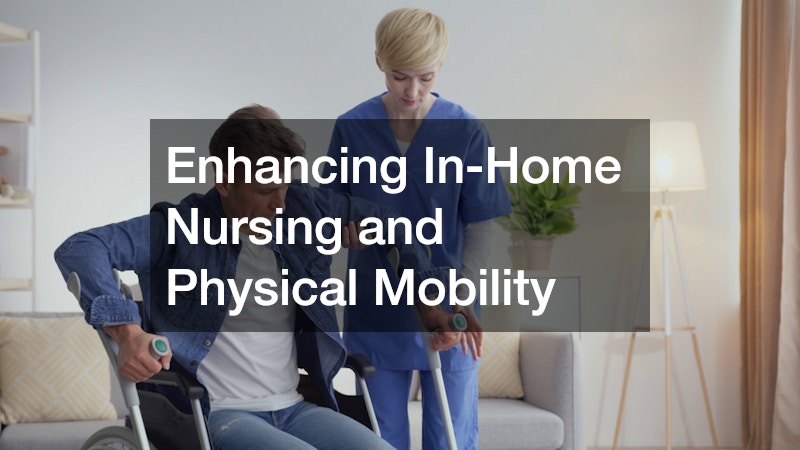
As physical recovery progresses, transitioning from complete bed rest to active household movement requires ongoing professional medical guidance. Re-evaluating daily support structures ensures that home safety measures match the patient’s changing mobility levels. Expanding personalized local home care assistance allows families to adjust daily service hours, shifting focus from total physical dependency toward assisted independence. Home care professionals help structure daily routines, assist with advanced personal hygiene needs, prepare nutrient-dense meals, and offer critical emotional companionship during long, isolating recovery days. This flexible home care model adapts continuously as recovery goals evolve over time.
Simultaneously, active movement programs must adapt to challenge recovering muscle groups without causing secondary joint strain or tissue injury. Experienced physical therapists gradually advance strength exercises, introducing resistance bands, balance boards, and targeted gait training techniques into home workouts. They monitor joint ranges of motion, track scar tissue flexibility, and correct subtle limps before detrimental walking habits become permanent.
Therapists also teach patients how to safely navigate steep household staircases, step over high door thresholds, and transition safely in and out of passenger vehicles. Consistent, supervised physical exercise restores movement confidence, improves posture, and accelerates overall functional recovery, laying the foundation for a successful return to work and daily living.
Spine Realignment and Cellular Nutrition Protocols
Long-term post-trauma recovery requires maintaining proper alignment across the spine and extremities to prevent chronic secondary pain conditions. Compensating for an injured leg, hip, or shoulder often places uneven stress on the spinal column, leading to painful muscle spasms and pelvic misalignments. Continuing structured, targeted care with a licensed chiropractor helps correct these progressive structural shifts through gentle spinal adjustments, active release techniques, and joint mobilization. Regular chiropractic visits help realign joint structures, decrease spinal nerve tension, and improve central nervous system function, allowing the body to distribute weight evenly when standing or walking. Maintaining structural alignment reduces chronic muscular strain and protects vulnerable joints during rehabilitation.
To complement structural alignment, supporting internal metabolic health remains essential throughout the recovery journey. As physical activity levels increase, cellular energy demands rise dramatically, placing higher demands on tissue repair pathways. Utilizing periodic IV therapies provides direct intracellular hydration, replenishing vital micronutrients, essential amino acids, and powerful anti-inflammatory compounds that standard oral supplements may fail to deliver efficiently due to digestive lag.
These targeted intravenous infusions help flush out built-up metabolic waste products, support essential cellular repair, and actively combat the systemic physical stress associated with long-term physical healing. Combining ongoing structural adjustments with targeted cellular hydration optimizes physical stamina, shortens recovery periods between physical therapy sessions, and promotes sustained physical vitality.
Complex Dental Restorations and Ocular Recovery
Reconstructing facial structures after trauma involves multi-phase medical and dental care designed to restore both appearance and essential functionality. Structural damage to teeth, gums, and underlying jawbones often requires custom prosthetics, porcelain crowns, bridges, or permanent dental implants to rebuild correct chewing surfaces. Working closely with a dedicated restorative dentist ensures that every custom prosthetic appliance is meticulously crafted to fit the patient’s unique bite mechanics and natural facial contours. Advanced digital imaging allows dental specialists to map out precise multi-stage treatment schedules that accommodate ongoing jawbone healing. Restoring structural oral integrity restores self-confidence, improves speech clarity, and allows patients to maintain proper nutritional intake through normal solid foods.
Simultaneously, monitoring long-term visual health is critical for complete functional recovery following severe head or facial impacts. Subtle optical changes, such as chronic eye strain, focal tracking difficulties, or minor field deficits, may persist long after initial traumatic brain injuries occur. Scheduling routine follow-up assessments with certified eye care professionals helps closely monitor these evolving sensory changes and prevents long-term vision loss.
Optometrists and ophthalmologists evaluate tear film stability, intraocular pressure, and optic nerve health, adjusting corrective prescription lenses or specialized vision therapy exercises as needed. Protecting visual function enhances depth perception, reduces post-traumatic headaches, and gives recovering individuals the physical stability required to safely return to driving, reading, and routine daily activities.
Surgical Rehabilitation and Advocacy Solutions
The final stages of a thorough post-trauma recovery plan focus on refining physical outcomes and securing lasting peace of mind. Soft tissue injuries, burn scars, and facial lacerations often require secondary cosmetic refinements once deep tissues have completely healed beneath the surface. Reconsulting with qualified plastic surgery specialists allows patients to explore surgical scar revision, laser skin resurfacing, or tissue reshaping options that improve physical movement and aesthetic appearance. Minimizing functional skin tightness caused by thick scar tissue restores full joint range of motion, while enhancing physical appearance helps patients process trauma emotionally. Reconstructive procedures provide essential physical closure to long, challenging medical journeys.
Concurrently, finalizing open legal claims provides necessary financial closure, ensuring all long-term medical needs are fully funded for years to come. Unresolved legal claims create lingering anxiety, making true emotional recovery difficult. Experienced injury lawyers work tirelessly and diligently to compile complete medical records, professional expert prognosis reports, and accounting calculations to settle claims or present convincing cases in court.
Securing a fair financial settlement guarantees that future medical procedures, ongoing home care support, and specialized therapies remain fully covered without placing a heavy financial burden on the family. By combining comprehensive medical recovery with dedicated legal advocacy, recovering individuals can look forward to rebuilding their lives with true confidence, long-term security, and renewed vitality.
