
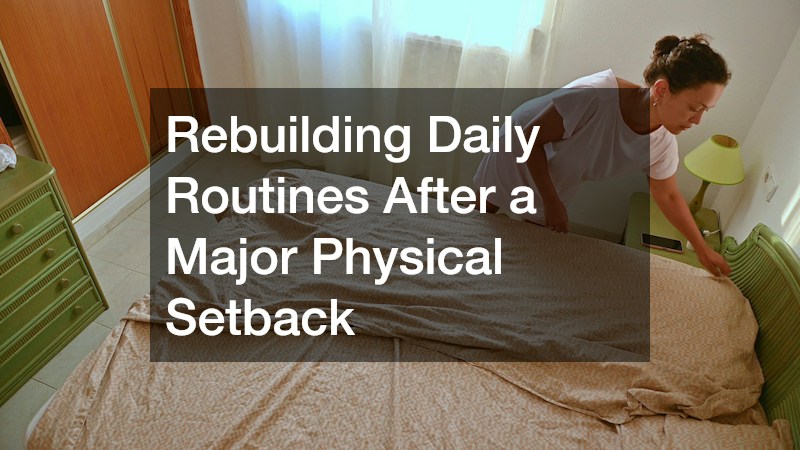
A major physical setback, whether from surgery, illness, injury, or addiction recovery, has a way of dismantling the routines you once took for granted. One day you’re managing work, family, and errands without thinking twice, and the next you’re relearning how to shower, climb stairs, or simply get through an afternoon. Rebuilding your daily structure after something this disruptive is not about bouncing back overnight. It’s about creating a realistic, step-by-step framework that respects where your body and mind actually are right now. This guide walks through the practical pieces of that process, from medical care to home setup to mental adjustment.
Understanding What Triggered the Setback
Before you can rebuild a routine, it helps to understand exactly what kind of setback you’re dealing with, because recovery from a fall is different from recovery from a stroke or a substance use crisis. Some setbacks arrive suddenly, like a car accident that lands you in an emergency hospital overnight, while others build slowly over months until your body finally forces you to stop. Knowing the nature and severity of the event shapes every decision that follows, including how long recovery might take and which specialists you’ll need.
Many people find it useful to write down a rough timeline of what happened, what treatment they received, and what instructions they were given at discharge. This becomes a reference point when routines feel confusing or when new symptoms pop up later. It also helps family members understand what kind of support is actually needed instead of guessing.
Getting the Right Medical Follow Up in Place
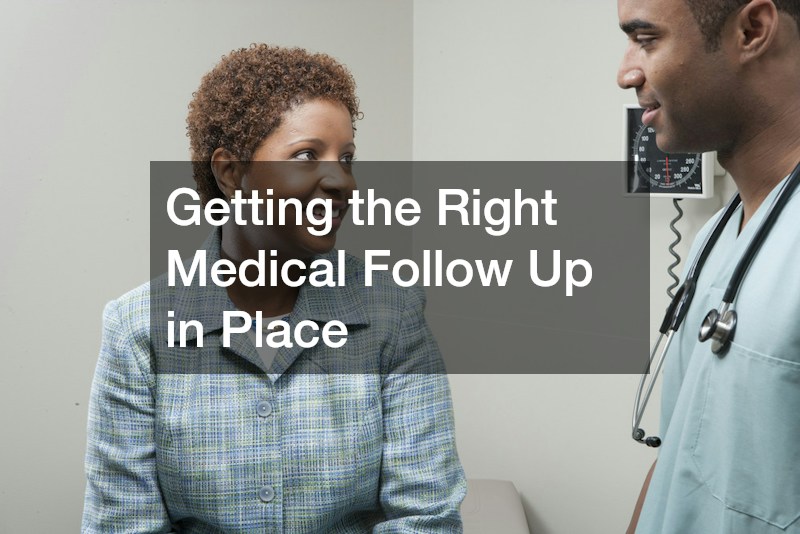
Once the acute crisis has passed, the next step is lining up consistent follow-up care rather than treating the initial hospital visit as the end of the story. If your setback involved a broken bone, joint damage, or spinal issue, an orthopedic specialist will likely need to monitor your healing for weeks or months, adjusting your activity level as scans and mobility tests improve. Skipping these appointments, even when you feel better, is one of the most common reasons people slide backward.
For non-emergency concerns that pop up during recovery, such as a rash from a new medication or a question about swelling, a walk in clinic can be a faster and less stressful option than waiting for a specialist appointment. These clinics are useful for the small, nagging issues that don’t need a full hospital visit but still need a professional opinion. Keeping a short list of these accessible resources nearby removes a lot of guesswork when something unexpected comes up.
Setting Up a Home That Supports Healing
Your physical environment either helps or hinders your recovery, and most homes are not designed with a healing body in mind. Narrow doorways, high beds, slippery bathroom floors, and stairs without railings can turn simple tasks into genuine hazards. Making a few targeted changes early on prevents falls and reduces the exhaustion that comes from fighting your own house every day.
For people recovering from surgery, prolonged illness, or significant mobility loss, adjustable medical beds can make an enormous difference in comfort and independence. Being able to raise the head or legs, or adjust height for easier transfers, reduces strain on both the patient and any caregivers helping them. This kind of equipment is often available for short-term rental, which makes it a practical option even if you only need it for a few months.
- Remove loose rugs and cords that create tripping hazards
- Install grab bars in the bathroom near the toilet and shower
- Rearrange frequently used items to waist height to avoid bending or reaching
- Set up a stable chair with arms for safer sitting and standing
- Keep a charged phone within reach at all times in case of a fall
Rebuilding Physical Strength Step by Step
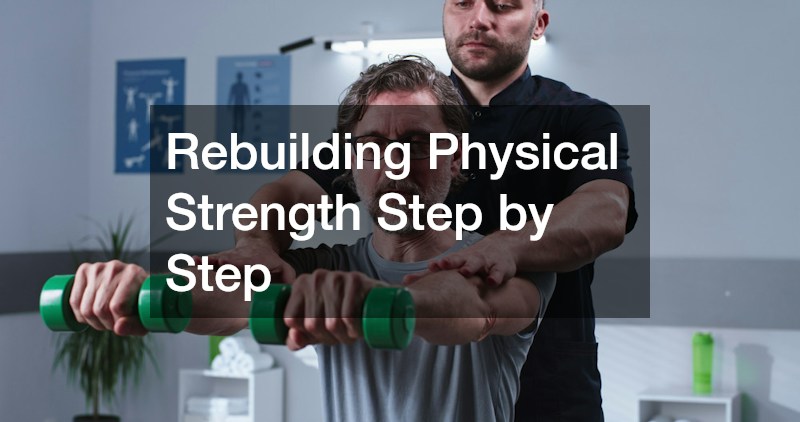
Regaining strength after a major setback is rarely linear, and expecting steady daily improvement often leads to discouragement. Progress tends to come in small plateaus followed by sudden jumps, especially in the first few months. Working with a physical therapist to build a graduated plan, rather than pushing yourself based on how you feel on a given day, protects you from re-injury.
Nutrition and rest matter just as much as exercise during this phase, since tissue repair and muscle rebuilding both require adequate fuel and sleep. Some people also explore newer options like peptide therapy under medical supervision to support tissue recovery and reduce inflammation, though this should always be discussed with a qualified provider rather than attempted on your own. Whatever combination of approaches you choose, consistency over weeks matters more than intensity on any single day.
Addressing Emotional and Mental Health Alongside Physical Recovery
A physical setback almost always carries an emotional weight that people underestimate, including frustration, grief over lost independence, and anxiety about the future. Left unaddressed, these feelings can slow physical progress because stress and poor sleep interfere with the body’s ability to heal. Talking to a counselor or joining a support group specifically for people recovering from similar events can make the emotional load feel more manageable.
It’s also common for family relationships to shift during recovery, with roles reversing as loved ones take on caregiving duties. Open conversations about what kind of help feels supportive versus overwhelming can prevent resentment from building on either side. Giving yourself permission to have hard days without treating them as failures is part of genuinely rebuilding a sustainable routine.
Rebuilding Routines When Addiction Is Part of the Setback
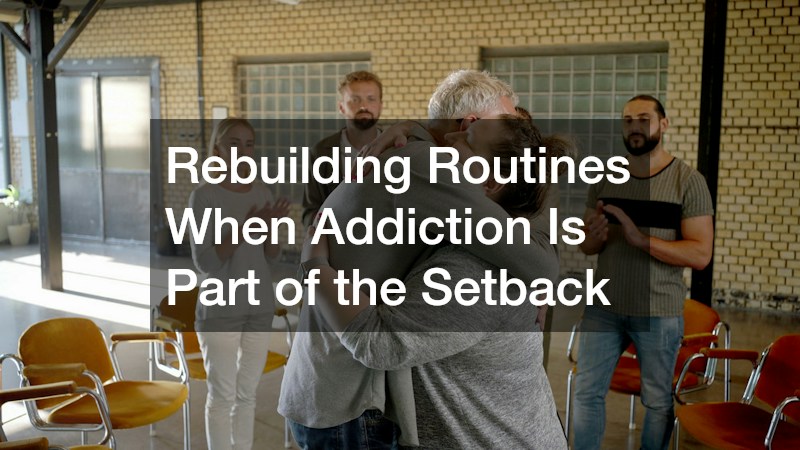
For some people, the major setback is not a single injury but a spiral involving substance use that has taken over daily life. In these cases, rebuilding routine often starts with a structured, supervised environment rather than trying to manage withdrawal and cravings alone at home. Attempting to detox without support can be medically risky, and the unpredictability of cravings makes it hard to establish any consistent schedule. A full residential alcohol rehab program provides medical monitoring, therapy, and a predictable daily schedule during the period when the body and mind are most vulnerable. Days are typically structured around set wake times, meals, group or individual therapy sessions, and periods of rest, which helps recreate the basic rhythm a routine depends on. This structure removes the burden of constant decision-making at a time when willpower and focus are already depleted. The length of stay matters too. Many programs run 30, 60, or 90 days, and longer stays are often associated with better long-term outcomes because they give the brain and body more time to stabilize before someone has to manage daily life independently. Once physical stabilization occurs, the daily schedule inside treatment becomes a template for life afterward. Consistent sleep times, regular meals, scheduled movement, and built-in check-ins with a counselor or support group all mirror the kind of structure someone will need to maintain once they return home, making the transition out of treatment less jarring and more sustainable.
After a residential program, the real work of rebuilding continues through outpatient therapy, support meetings, and slowly reintroducing responsibilities like work and household management. This transition period, often the first 90 days after discharge, carries the highest relapse risk, which is exactly why structure matters so much here. Unpredictable days and idle time are common triggers for relapse, so filling those gaps intentionally becomes part of the treatment plan rather than an afterthought. Many people find it helpful to schedule out each day in blocks, even loosely, so that a free afternoon doesn’t turn into several unstructured hours alone with difficult thoughts. Building a new daily rhythm, even something as simple as a consistent wake time and regular meals, gives the recovering brain something stable to hold onto. Sleep and nutrition also play a direct role in mood regulation and craving management, so a 7 AM wake-up and three meals at roughly the same times each day aren’t just habits, they’re physiological support. Small, repeatable anchors work best: a morning walk, a midday check-in call with a sponsor or therapist, a set time for support meetings three or four times a week. As these anchors hold steady over weeks, more responsibility, like part-time work or reclaiming household tasks, can be layered back in without overwhelming the new foundation.
Recognizing When a Setback Requires Immediate Medical Attention
Even once you’re settled into a recovery routine, it’s important to know which symptoms mean you need to stop and seek urgent help rather than waiting it out. Sudden chest pain, difficulty breathing, uncontrolled bleeding, or signs of a severe allergic reaction all warrant a trip to the ER without delay. Other red flags include a fever above 101°F, a wound that’s hot, swollen, or oozing pus, sudden confusion, or a leg that becomes swollen and painful, which can signal a blood clot. It also helps to know your own baseline so you can spot when something is genuinely off rather than just a normal part of healing. Mild soreness, gradual fatigue, or slow improvement are typical, but a sudden spike in pain, a fall, or new numbness and weakness on one side of the body are not things to monitor overnight. When in doubt, calling your surgeon’s office or a nurse hotline can help you decide whether symptoms warrant an er visit or can be managed at home. People recovering from surgery or serious illness sometimes hesitate to seek help because they don’t want to seem dramatic or “waste” anyone’s time, especially if a previous scare turned out to be nothing. But delaying care in these situations carries real risk, since conditions like internal bleeding, infection, or blood clots can worsen rapidly within hours. It’s far better to be evaluated and sent home than to stay home and end up needing far more intensive treatment later.
- Sudden confusion, slurred speech, or one-sided weakness — even if it fades within minutes, treat it as a possible stroke and call 911
- Chest pain or pressure that doesn’t ease with rest, especially if it radiates to the arm, jaw, or back, or comes with shortness of breath
- A fever that spikes suddenly (above 101°F) along with chills, which can signal a serious infection
- Severe swelling, redness, warmth, or drainage at a surgical site, particularly if it’s spreading or has a foul odor
- Fainting, a sudden drop in ability to stay conscious, or feeling like you might pass out when standing
- Sharp or worsening pain that isn’t controlled by prescribed medication
- Sudden shortness of breath or a new, persistent cough, which can point to a blood clot or lung issue
- Numbness, tingling, or loss of function in a limb that wasn’t there before
Reintroducing Work, Social Life, and Personal Goals
Once the medical and physical pieces are more stable, the next challenge is figuring out how to reintroduce the parts of life that make it feel like your own again, such as work, hobbies, and social connections. Rushing back to a full schedule too quickly is one of the most common causes of setbacks within setbacks, so a gradual reentry plan tends to work better than an all-or-nothing return. Talking with an employer about a phased return, whether that means reduced hours or modified duties, protects both your health and your job security.
Some people going through recovery also choose this period to address other physical goals they’d been putting off, and it’s worth noting that elective procedures like male liposuction are sometimes considered later in a recovery journey once a person is medically cleared and fully healed from their original setback. These decisions should always come after, not during, the core recovery process, and only with clearance from your medical team. The goal of reintroducing life’s other pieces is to build a routine that feels balanced rather than rushed.
Rebuilding daily life after a major physical setback is rarely a straight line, but it is absolutely achievable with the right support, patience, and structure. Start with the medical basics, adjust your home environment, and give equal weight to your emotional recovery alongside the physical one. Lean on professionals, whether that’s a specialist, a counselor, or a structured program, rather than trying to piece everything together alone. Small, consistent steps taken now will build the stable, sustainable routine you’re working toward.
