
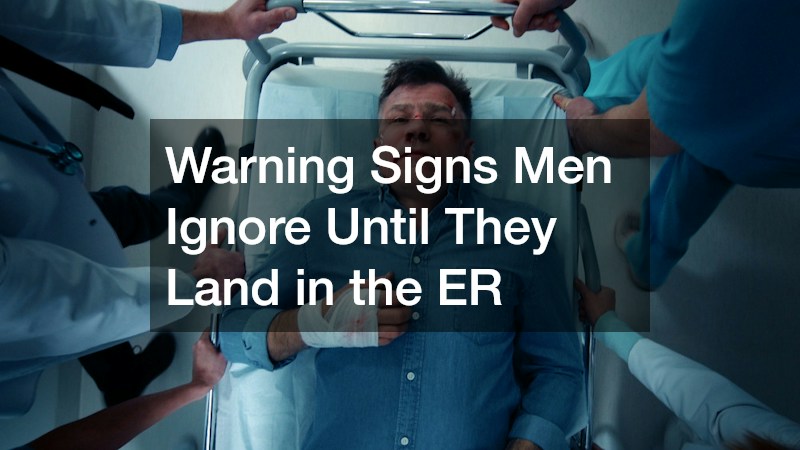
Many men treat their bodies like machines that should run indefinitely without maintenance, brushing off aches, pains, and odd symptoms until they can no longer be ignored. This mindset sends countless men into crisis mode instead of catching problems early when they are far easier to treat. Understanding which symptoms are truly urgent can mean the difference between a quick outpatient visit and a life-threatening emergency. This article breaks down the most commonly dismissed warning signs so you know exactly when to act.
Chest Discomfort That Comes and Goes
Chest pain is the classic heart attack symptom, yet many men convince themselves it is heartburn, muscle strain, or stress rather than something serious. This is especially dangerous because cardiac symptoms in men do not always present as crushing pain; sometimes it is a dull pressure or tightness that fades after a few minutes, only to return later that day. Waiting to see if it goes away on its own is a gamble that costs lives every year.
If chest discomfort is accompanied by shortness of breath, sweating, nausea, or pain radiating into the arm or jaw, it warrants an immediate trip to the emergency room rather than a wait-and-see approach. Doctors would much rather evaluate a false alarm than have a patient delay treatment during an actual cardiac event. Time is muscle when it comes to heart attacks, and every minute of delay increases the risk of permanent damage.
- Pressure, squeezing, or fullness in the chest lasting more than a few minutes
- Discomfort spreading to the shoulders, back, neck, or jaw
- Unexplained sweating or clamminess along with chest tightness
- Shortness of breath with or without obvious chest pain
- Sudden fatigue or lightheadedness during normal activity
Sudden Numbness or Slurred Speech

Stroke symptoms often appear suddenly and can be mistaken for tiredness, dehydration, or simply “feeling off.” Men frequently try to sleep off symptoms like facial drooping, arm weakness, or confused speech, assuming they will feel better after resting. Unfortunately, stroke treatment is extremely time-sensitive, and delaying care can mean the difference between a full recovery and permanent disability.
The acronym FAST was created specifically to help people recognize stroke symptoms quickly and respond appropriately. Acting within the first few hours of symptom onset gives doctors the best chance to minimize brain damage through clot-dissolving medications or other interventions. If you or someone nearby shows any of these signs, do not wait to see if it passes.
- Face drooping on one side when smiling
- Arm weakness or inability to raise both arms evenly
- Slurred, garbled, or difficult to understand speech
- Sudden confusion or trouble understanding simple statements
- Sudden severe headache with no clear cause
Severe Abdominal Pain That Won’t Quit
Stomach pain is easy to dismiss as indigestion, a pulled muscle, or something eaten too quickly, but severe or persistent abdominal pain can signal appendicitis, a bowel obstruction, or an internal bleed. Men in particular tend to downplay abdominal symptoms, hoping they will resolve with rest or over-the-counter antacids. When pain is sharp, localized, and worsening over several hours, it is a signal that something structural may be going wrong internally.
Pain that shifts location, becomes rigid to the touch, or is paired with fever and vomiting should never be managed at home. These combinations often point to conditions requiring surgical intervention, and delaying diagnosis increases the risk of complications like rupture or infection spreading through the abdominal cavity. Getting imaging and bloodwork promptly can quickly clarify whether the issue is minor or urgent.
- Pain that starts near the belly button and migrates to the lower right side
- Abdomen that feels hard, swollen, or tender to light pressure
- Persistent vomiting paired with inability to keep fluids down
- Fever combined with sharp or worsening abdominal pain
Testicular Pain or Sudden Swelling
Few symptoms are dismissed as quickly by men as testicular pain, often out of embarrassment or the assumption that it will simply pass. However, sudden, severe testicular pain can indicate testicular torsion, a condition where the testicle twists and cuts off its own blood supply. This is a true emergency, and doctors generally have only a few hours to correct it surgically before permanent tissue damage occurs.
Beyond torsion, unexplained lumps, swelling, or persistent aching in the testicles should always be evaluated rather than monitored indefinitely. Early evaluation also matters for men experiencing changes in sexual function, since some circulatory or nerve-related issues that affect the testicles can overlap with conditions treated through erectile dysfunction therapy. Bringing up these symptoms honestly with a doctor, rather than hoping they resolve on their own, leads to much better long-term outcomes.
- Sudden, severe pain in one or both testicles
- Swelling, redness, or a feeling of heaviness in the scrotum
- A new lump or firm area that wasn’t previously noticeable
- Pain accompanied by nausea or vomiting
Unexplained Shortness of Breath and Leg Swelling
Shortness of breath that develops gradually is often blamed on being out of shape, gaining weight, or simply getting older. However, when it appears alongside swelling in the legs or ankles, it can point toward heart failure, blood clots, or lung-related conditions that need prompt medical attention. Men who are otherwise active but suddenly find themselves winded by routine tasks like climbing stairs should take this seriously rather than pushing through it.
One particularly dangerous scenario is a blood clot that has traveled to the lungs, known as a pulmonary embolism, which can cause sudden breathlessness, chest pain, and a rapid heartbeat. This condition can escalate quickly and is a common reason men end up needing urgent evaluation after ignoring smaller warning signs for days or weeks. Anyone experiencing new or worsening breathlessness paired with leg swelling should seek same-day medical evaluation.
- Swelling in one leg more than the other, especially with warmth or redness
- Breathlessness during activities that used to feel easy
- Rapid or irregular heartbeat alongside fatigue
- Chest discomfort that worsens with deep breathing
Ignoring these warning signs rarely makes them disappear; it simply delays a diagnosis that could have been made sooner and treated more easily. Paying attention to your body, tracking new or worsening symptoms, and being willing to seek care promptly are simple habits that can prevent a minor issue from becoming a major crisis. If something feels wrong and persists, trust that instinct and get it checked out rather than waiting for it to worsen. Your future self will thank you for taking action today instead of during a late-night emergency.
